Which hardwood floor to choose solid wood or engineered wood
A hardwood floor can make a home feel calm and grounded, like the house finally has a “base layer” that everything else belongs to. But the smartest choice usually has less to do with color and more to do with moisture, your subfloor, your budget, and how long you plan to stay.Here’s the simple definition. Solid hardwood is one piece of real wood from top to bottom. Engineered hardwood is real wood too, but it’s built with a top wood veneer over a layered core. Both can look premium, and both can add value, but they behave differently once they’re installed.The goal in 2026 isn’t to pick the “best” hardwood floor for everyone. It’s to choose the right one for your rooms, your climate, and your timeline, so you don’t pay twice.
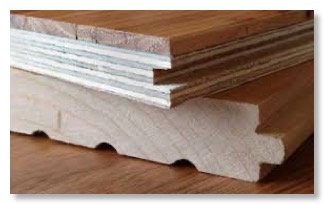
Solid vs engineered hardwood, the differences that change performance
If you remember one idea, make it this: wood moves. It expands when humidity rises and shrinks when the air dries out. That movement is the quiet reason floors gap in winter, cup in summer, or feel slightly uneven after a wet season.Solid hardwood is thick, and it moves more across its width. In a stable, above-grade home with good HVAC control, that movement is manageable. In a home with bigger swings in humidity, or over a concrete slab that holds moisture, solid planks can react fast.Engineered hardwood is built in layers that cross each other, which helps balance that movement. The top layer is still real wood, so it still responds to humidity, but the core reduces how much the plank changes shape. In practice, that means fewer issues with seasonal changes, and fewer headaches in rooms that are not perfectly dry year-round.Performance also connects to how long the floor can serve you. • Solid hardwood often lasts 50 to 100+ years in the right conditions, mainly because it can be sanded and refinished many times. • Engineered hardwood commonly lasts 25 to 50 years, and quality matters more than people expect. A thicker wear layer and a well-made core can push it toward the high end.Busy households complicate the choice. Pets, kids, parties, and chairs that scrape can damage any wood floor. The real question is whether you want the option to “reset” the surface years later with sanding, or whether you prefer stability and easier installation now.
Stability and moisture, why engineered hardwood stays flatter
Engineered hardwood stays flatter because its layered core resists swelling and shrinking in one direction. Think of it like plywood versus a single board. A single board can bend as it dries or absorbs moisture, while layers help hold each other in place.That stability matters most in four situations:Concrete slabs are a big one. Concrete can release moisture vapor even when it looks dry. Engineered floors can be installed with glue-down methods or floating systems that pair well with moisture control steps. Solid hardwood is usually a risky bet directly over concrete unless the system is designed for it and moisture testing supports it.Basements are another. Even “finished” basements tend to run cooler and slightly damp compared with upper floors. Engineered is usually the safer pick below grade because it tolerates those conditions better.Kitchens sit in the middle. They are not constant-moisture spaces like bathrooms, but they do get spills and wet shoes. Engineered is often more forgiving with small spills, as long as you wipe them quickly and follow the cleaning rules.Radiant heat also tends to favor engineered hardwood. Heat cycles can dry wood and increase movement. Many engineered products are approved for radiant systems, while many solid products are limited or require tight control.Engineered does not mean waterproof. Standing water can still seep into seams and cause swelling or edge damage. Some engineered lines are marketed as water-resistant or close to waterproof, usually because of improved finishes, tight locking joints, and water-resistant core designs. Those claims can be useful, but the warranty details matter more than the marketing. Check the fine print for spill time limits, approved cleaners, and whether wet-mopping voids coverage.
Refinishing and long-term life, how many times can you sand it
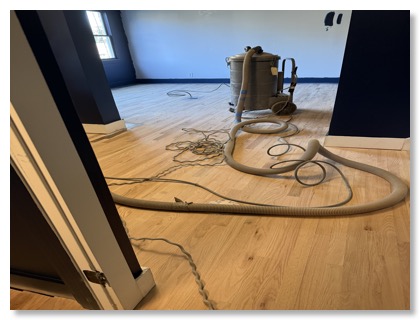
Refinishing is where solid hardwood earns its reputation. A typical solid plank can be sanded and refinished 5 to 10+ times over its life, depending on thickness and how aggressively it’s sanded each time. That can turn dents and scratches into a temporary problem instead of a permanent one.Engineered hardwood can sometimes be refinished, but it depends on the wear layer, which is the thickness of the real wood on top. Many engineered products support 1 to 3 refinishes, and some thin-veneer products are not good candidates for full sanding at all. If you’re shopping engineered, ask for the wear layer thickness in millimeters. As a simple benchmark, a thicker wear layer (often around 3 mm or more) is more likely to handle at least one full sand, while thinner veneers are better treated as “refinish-limited.”Also ask whether the floor is site-finished or factory-finished. Factory finishes are consistent and tough, and they are common for engineered floors. Site-finished solid hardwood can create a seamless look across rooms, and it can be easier to match during future refinishing, but it often extends the project timeline because sanding and curing happen in the home.Refinishing matters for resale too. A home with worn wood floors can feel tired during showings. A floor that can be refinished before listing gives you a strong option, even if you never use it.
Cost, installation, and timelines, what you can expect in 2026The price difference between solid and engineered hardwood is real, but the bigger story is total project cost. Materials are only one part. Labor, subfloor prep, trim work, and stairs can move the final number more than most homeowners expect.Based on February 2026 US pricing, here is a realistic planning view for materials and typical labor ranges:
Cost item (US, Feb 2026) | Engineered hardwood | Solid hardwood |
Material cost per sq ft | $4.50 to $16 | $5 to $28+ |
| Common “basic” material range | $4.50 to $9 | $5 to $12 |
| Common “premium” material range | $10 to $16 | $13 to $28+ |
| Typical installation labor per sq ft | $3 to $6 | $3 to $8 |
Solid hardwood is often 20 to 50 percent higher per plank than engineered when you compare similar species and styling, though the market varies by region and grade. On top of that, solid installs can take longer because nail-down work is slower and humidity control is stricter.Timelines also differ. A floating engineered floor can move quickly once the subfloor is flat and dry. Solid hardwood jobs often include more acclimation time, and site-finished solid adds days for sanding, coating, and cure time.If you want a quick estimate, keep the math simple. For a 1,000 sq ft project, a mid-range engineered floor might be $7 to $12 per sq ft for material plus $3 to $6 labor, before prep and extras. Solid might push higher on both material and labor, with wider variance depending on wood type and install complexity.
Installation methods and subfloors, nail-down, glue-down, or floating
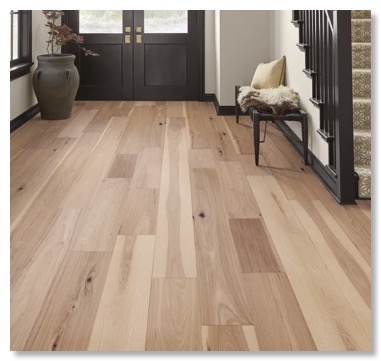
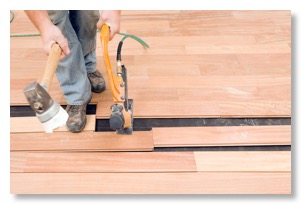
Installation method is not just a labor choice. It affects sound, comfort, long-term movement, and what subfloors you can use.Solid hardwood is most commonly installed as nail-down over a wood subfloor. Some systems use glue-assist with nail-down, but it still assumes you have the right subfloor structure and moisture conditions. Solid is less flexible when the home has concrete, below-grade rooms, or radiant heat requirements.Engineered hardwood can be installed three ways: nail-down, glue-down, or floating (often click-lock). That flexibility is one reason engineered is so popular in mixed-condition homes. Glue-down works well over concrete when paired with the right adhesive and moisture control plan. Floating floors can install faster and may be more DIY-friendly for experienced homeowners, though pro work still matters for layout, flatness, and clean transitions.Installers usually focus on a few make-or-break checks before the first plank goes in: • Subfloor flatness: High spots and low spots can cause hollow sounds, bounce, or joint stress. • Moisture readings: Both the subfloor and the flooring need acceptable moisture levels. • Acclimation time: Flooring must adjust to the home’s temperature and humidity range. • Expansion space: Wood needs room at edges to move without pushing against walls. • Room conditions: HVAC should be running so the home is in normal living conditions.If an installer skips moisture testing, treat that as a warning sign. Many flooring failures start with invisible moisture.
Hidden costs that surprise homeowners, leveling, moisture barriers, and transitions
The material you pick can be perfect, and the project can still go sideways if the prep work is ignored. Subfloor prep is not glamorous, but it is where squeaks, gaps, and uneven joints are prevented.Common add-ons that change the final bill include: • Subfloor leveling or patching (especially with wide planks that demand more flatness) • Moisture barriers, underlayment, or specialty adhesives for concrete • Removal and disposal of old flooring, plus moving furniture or appliances • Door trimming so doors clear the new floor height • New baseboards, shoe molding, or updated trim for clean edges • Transition strips where hardwood meets tile, carpet, or vinyl • Stair work, which often costs more per step than flat areas per square footAsk for bids that show line items. Two quotes can look close until you realize one includes leveling, moisture control, and trim, and the other does not.
A room-by-room pick list, the safest choice for each spaceMost homeowners do not need a single answer for the entire house. They need the right answer per room, based on moisture risk, traffic, and what is under the floor.Engineered hardwood is often the safer default in homes with mixed conditions. It works across slabs and wood subfloors, and it tolerates normal humidity swings better. Solid hardwood fits best where conditions are controlled and long-term refinishing is part of the plan.If you want consistency across the home, you can still choose one type, but it helps to know where the risk points are. A beautiful floor is only “low maintenance” when it matches the room.
Basements, kitchens, and concrete slabs, when engineered is the clear winnerBelow-grade spaces and concrete slabs are where engineered hardwood usually earns its keep. Moisture vapor from concrete and the cooler temperatures common in basements can cause solid wood to move more than you want. Engineered reduces that risk and gives you more approved installation options, including glue-down over concrete with proper moisture control.
Kitchens are also a strong case for engineered hardwood, with a few conditions. Choose a durable factory finish, prefer tighter seam systems, and keep cleaning habits simple. Wipe spills quickly, and avoid wet mopping unless the manufacturer allows it. If you cook often and have kids running in and out, that small discipline prevents edge swelling and finish wear.
Radiant heat is another point where engineered often comes out ahead. Many engineered products are rated for radiant systems because the layered construction handles heating cycles better. Always follow both the flooring specs and the radiant heat system specs, including surface temperature limits and gradual heat-up schedules.
Even with engineered, do not treat these spaces like tile. Place mats at exterior doors, keep humidity in a normal range, and address plumbing leaks fast.
Living rooms, bedrooms, and long-term ownership, when solid hardwood makes sense
Solid hardwood makes the most sense in above-grade rooms with stable indoor conditions, where you value a floor that can be renewed again and again. Living rooms, dining rooms, hallways, and bedrooms are often ideal, especially when the home has consistent heating and cooling.If you plan to stay for decades, solid hardwood can be a strong long-term value. A floor that lasts 50 to 100 years changes how you think about wear. Scratches stop being a crisis and become a future weekend project, or a professional refinish before a milestone event.Humidity control is the quiet requirement. Wood floors like a steady home. Run HVAC during the seasons you live in, and aim for a consistent indoor humidity range. If your climate swings hard, a humidifier in winter or a dehumidifier in summer can reduce gapping and cupping. Area rugs and felt pads help too, but they cannot fix a home that swings from very dry to very damp every few months.Solid is also a good match when you want a traditional site-finished look, seamless boards across rooms, and the ability to change stain color later. If you like the idea of updating the floor’s tone without replacing it, solid gives you more freedom.
ConclusionSolid and engineered hardwood can both look high-end, but they solve different problems. Choose engineered hardwood for moisture-prone areas, concrete slabs, radiant heat, and faster installs. Choose solid hardwood for stable, above-grade rooms when you want the longest life and the most refinishing options. Before you buy, confirm your subfloor type, insist on moisture readings, and compare engineered wear layer thickness in millimeters. Ask for a written warranty that matches the room, not just the product name. The best floor is the one that still looks right after real life happens.

Solid Hardwood vs Engineered Hardwood Floors: Which One Should You Install
Engineered hardwood is real wood too, but it’s built with a top wood veneer over a layered core.
January 2026
March 2019
February 2019
January 2019